Before we started going into media messages, I was not aware of how much media I took in and the overall effects it had on my mind. To me, the media messages were so frequent that I began ignoring them and incorporated their presence into my life. I got my first phone towards the beginning of last year, when I started to make social media accounts and use the internet more through my phone, I was being bombarded with all different kinds of media messages. However even before this, I now realized that through the TV, billboards, print ads, and many other types of advertising, media had always been a big part of my life. All this impacted my subconsciously, I wanted to buy different products because they "looked cool" or because everyone else had them, but when I actually got the product I didn't feel the sense of completion that I thought I would get.
The bottom line of all the media I saw throughout my life was that the companies who put out these messages just want me to buy their products. Which I did, whether it be a food, game, toy, shoe, I felt the need to buy these material items to make me whole. Through this class I have been able to identify the techniques that advertisers use as well as be more aware of the media's presence. This skill is useful and needed, especially today. I may no longer feel the need to buy something because I know now what message is being directed, and to analyze my thoughts and ask myself if I really need it. Media literacy is important to everyone because we need to understand how we are being affected and what we may think as our own thoughts, aren't. Understanding our surroundings is crucial to smarter consumption.
From these logs, I have been able to express more deeply, my thoughts about different forms of media and the messages that each one gives. Instead of conforming to popular opinion, being able to express another view is priceless. The skill of being a little more media literate is mine to keep, there isn't anything that can take away the knowledge that I've earned from the class and these logs. I used to look at the logs as just another assignment, but now I realize that I can tie in the rest of the world into what I've been learning. Media can be a great thing for everyone, but only in moderation and understanding of it. Over consumption of media and not being media literate will not only change what you are, but it wont really be you. Your thoughts and actions will be determined by someone else, most people do not realize that someone else's ideals are being directed towards you.
http://medialiteracyproject.org/learn/media-literacy/
Saturday, June 3, 2017

Thursday, June 1, 2017
How Big a Problem is Anxiety? Response
How Big a Problem is Anxiety?
According to Robert
L Leahy, in 2008, everyone has a 17% chance of getting extreme anxiety. Many of the problems that cause anxiety were mentioned in the article are still present today. Unrealistic expectations of appearance, material items, health, work and finance. Its a lot to deal with. These trends may have actually grown since 2008 on.
I can think of plenty of things to be stressed about that I've gotten used to. The idea of constant terrorism since my generation is the generation after 9/11, unrealistic body and fashion standards which may be more heightened since I live in California, the increasing population of California and how its getting more crowded as house prices go up. Especially for young adults who don't understand the world well, all these things appear confusing and dangerously close.
An interesting factor that I find less relevant today, is the effect that "bad news" has on us. TV's popularity is slowly declining and more and more people use the internet for endless entertainment. Bad news still gives people anxiety of course, but now people get more news from handheld devices rather than TV stations. However, the constant stream of messages we get from media and all the different distractions we have each time we check our phone makes the real world seem not so bad. We focus less on the bad news and all the other attributes of anxiety and devote ourselves to entertainment. Sad about something? You can go watch YouTube or Netflix, listen to music from different streaming services, go on Instagram and SnapChat, there's so many other things that are better than hearing something you don't want to hear.
So does having our phones next to us at all times limit the amount of stress and anxiety we deal with? Probably not, there's new things to worry about. Your social media accounts and personality, the constant idea of strangers connecting with you, addictiveness to a game, anxiety didn't go away, it just took another form. With anxiety comes negative physical and mental barriers, even the midst of our technology and advancements, are we less able to chill than people who had black and white TV's in the 50's?

Wednesday, May 31, 2017
YouTube Suggested Ads and Videos
It may already be obvious, but YouTube caters to its audience through ads and suggestive content. However what is impressive about this is the timing and predictability of YouTube. YouTube can suggest related videos to you through category or tags, but more than often you may be drawn to a new creator. This creates a cycle where you continue to find new things that interest you so you're on YouTube for long periods of time. YouTube's audience today is especially big, with so many different companies and creators supporting their product on it, nearly everyone has seen the YouTube logo.
When you watch a video from your creator that's sponsoring a product, the product will appear on your screen as promotion. Same thing happens when you watch a certain type of video that centers around an object. When I watching a video on guitars, an ad for picks came up. We may choose to ignore these messages but they do have an effect on us eventually. Without evening knowing it we may start to think a certain product is better than the rest and buy it just because we see it so often. When watching YouTube, you're guaranteed to see at least one ad every few videos.
The suggestive content that shows up on your recommended page is also timed. Similar types of videos that may grab your attention are shown, and there's a pretty good chance that you'll watch at least one of the videos that YouTube suggests for you.
Overall this advertising technique is fairly simple, one could argue that YouTube is just giving what the viewers want to see, but what if we want to see these ads and videos because we're shown them all the time?

When you watch a video from your creator that's sponsoring a product, the product will appear on your screen as promotion. Same thing happens when you watch a certain type of video that centers around an object. When I watching a video on guitars, an ad for picks came up. We may choose to ignore these messages but they do have an effect on us eventually. Without evening knowing it we may start to think a certain product is better than the rest and buy it just because we see it so often. When watching YouTube, you're guaranteed to see at least one ad every few videos.
The suggestive content that shows up on your recommended page is also timed. Similar types of videos that may grab your attention are shown, and there's a pretty good chance that you'll watch at least one of the videos that YouTube suggests for you.
Overall this advertising technique is fairly simple, one could argue that YouTube is just giving what the viewers want to see, but what if we want to see these ads and videos because we're shown them all the time?
Tuesday, May 30, 2017
Modern Rap Influence
Looking through some of the most popular rap songs today, I've noticed two categories of rappers. The first is the one hit wonder rappers, who are famous for a short period of time for one or two songs that then die off to be replaced. These rappers usually become famous through other, more famous rappers who find or add into their music, or become famous through YouTube or other forms of media. The second category of rappers are the rappers who've become popular for a longer period of time. Their content is regularly released and you may see from them in the very least once a year. These rappers dominate the modern rap culture of music.
So, what do these rappers actually rap about in their songs? Sometimes a listener may be drawn to the beat of song rather than its lyrics. Some may like a certain rap song just because a popular rapper (2nd category) made it. However, most of the modern rap songs I've heard, are heard to get the real meaning to unless you repeatedly listen to it or search the lyrics up online. While the rhythm and melody of the song is important, the arguably more important half are the lyrics. Which used to be the case a while back, say up to the mid 2000s, as evidenced by trends. (Also around the time where media had greater power and influence on the younger generation.)
The songs I've looked up that are trending on the radio usually include lyrics about drugs, sex, women, money, and other pleasurable luxurious activities which could come from being a rapper. Of course there are songs that have a deeper more complex meaning, but the amount of those types of rap songs has been steadily decreasing. I've noticed that a good beat can be all it really takes to top the charts, no one will really pay attention to the lyrics even if they are absurd as "eating the booty like groceries" (Post To Be). So what effect does this have on the people who listen to these rap songs? They may be more violent, aggressive, rebellious, greedy, misogynistic, and overall think that the lifestyle depicted by either the rapper or their songs is the lifestyle one should aim for. A more recent popular song "Bad and Boujee" has lyrics such as "Courtside with a bad bitch (bitch)
Then I send the bitch through Uber (go)" and "Introduce me to your b-tch as wifey and we know she sluttin' Broke a brick down, nutted butted, now that n-gga duckin". We can see from these lyrics that the artist depicts having sexual relations with women, then leaving, and being violent towards others. Why was this song so popular? Maybe because of the catchy melody and chorus, and of course because it promotes a lifestyle that places you on top, if you act a certain way of course.
However not all rap songs are like this, it just seems that thoughtless, easily to consume rap music is more popular than songs with deeper meanings. That in turn can cause the listeners to promote the one or two lines that they understand from the song because they enjoy it.

So, what do these rappers actually rap about in their songs? Sometimes a listener may be drawn to the beat of song rather than its lyrics. Some may like a certain rap song just because a popular rapper (2nd category) made it. However, most of the modern rap songs I've heard, are heard to get the real meaning to unless you repeatedly listen to it or search the lyrics up online. While the rhythm and melody of the song is important, the arguably more important half are the lyrics. Which used to be the case a while back, say up to the mid 2000s, as evidenced by trends. (Also around the time where media had greater power and influence on the younger generation.)
The songs I've looked up that are trending on the radio usually include lyrics about drugs, sex, women, money, and other pleasurable luxurious activities which could come from being a rapper. Of course there are songs that have a deeper more complex meaning, but the amount of those types of rap songs has been steadily decreasing. I've noticed that a good beat can be all it really takes to top the charts, no one will really pay attention to the lyrics even if they are absurd as "eating the booty like groceries" (Post To Be). So what effect does this have on the people who listen to these rap songs? They may be more violent, aggressive, rebellious, greedy, misogynistic, and overall think that the lifestyle depicted by either the rapper or their songs is the lifestyle one should aim for. A more recent popular song "Bad and Boujee" has lyrics such as "Courtside with a bad bitch (bitch)
Then I send the bitch through Uber (go)" and "Introduce me to your b-tch as wifey and we know she sluttin' Broke a brick down, nutted butted, now that n-gga duckin". We can see from these lyrics that the artist depicts having sexual relations with women, then leaving, and being violent towards others. Why was this song so popular? Maybe because of the catchy melody and chorus, and of course because it promotes a lifestyle that places you on top, if you act a certain way of course.
However not all rap songs are like this, it just seems that thoughtless, easily to consume rap music is more popular than songs with deeper meanings. That in turn can cause the listeners to promote the one or two lines that they understand from the song because they enjoy it.
Saturday, May 27, 2017
Access Hollywood's Issue (Miss Representation)

I really hate this show, its as bad as MTV is. Access Hollywood is meant for easy consumption, you don't have to think to watch it. (Although if I watch it for longer than a 15 minutes I'll begin to get suicidal.) To summarize what it is, the show makes you care about celebrity problems. Such as what color of car should this person get and did she really gain 10 pounds in two weeks? Access Hollywood reinforces stereotypes on the "perfect" person and makes it so that whenever celebrities do something remotely human, they're bashed. The main target audience for the show are people who like to gossip and talk about meaningless things to pass time. Access Hollywood knows that its viewers are normal people who are also very easy to market to in terms of beauty products, clothes, trendy items, etc. A single episode is pretty much a long advertisement for products, other shows, and magazines. With advertising techniques such as plain folks and autonomy, its not hard to see why people love it. Miss Representation, a recent documentary that we watched in class, mentioned Access Hollywood and described it as a constant stream of perfect images for young girls. Even the "news anchors" for the show dress as "perfect" as possible to enforce the idea onto its viewers that they need to look a certain way to be recognized and powerful which is further supported by the men on the show, which act similarly to the women who discourage certain traits of other women.
Miss Representation Reflection
After seeing the film Miss Representation, my awareness of the popular media's portrayal of women to both women and men increased. Sometimes something becomes so regular as we see it or experience it that we take it as a norm. The film brought my attention to the normalization of the "perfect" women as well as the way the "perfect man" is supposed to act or treat such women. Many of the issues presented seemed more present and real as I saw not only young female students and adults talking about their issues, but also the input from more powerful or recognizable backgrounds. The political section of the film also made a lot of sense to me as I connected the previous things I have seen. Such as many TV politicians being old white males such as Bill O' Reilly. The comments that such people make on women and politics help set the bar for the normalization of women themselves. When I really thought about it, there aren't many female or diverse politicians currently that we see on a regular basis. This brings about the assumption that women don't want to take part in such jobs that are seen as meant for men, and that the media is just giving out what people want. However I see the real issue is that media's portrayal of women make it so that younger females think its taboo to hold primarily male jobs. The film was made in 2011, so some of the information is either outdated or not relevant any longer. I think the documentary focused too much on one perspective instead being more open to ideas. What could've made the message a whole lot stronger was having men influenced by a certain view by the media being interviewed and questioned. The main speakers of the film were women and men oriented to the cause, however the film didn't go find those types of people who were part of the problem. Still I found that the documentary was right on a lot of issues and certainly brought my attention to them.

Saturday, May 20, 2017
The Merchants of Cool Reflection

The Merchants of Cool gave a deeper look into how teenagers are marketed towards. I found it very interesting that some of the same techniques are still used today. Hip hop and pop music have an especially strong influence on many teens today, radio stations that are catered towards genres like this are played over and over in shops, festivals, some restaurants, etc. I've noticed that some bigger brand stores play certain pop songs so that you may associate that store with a particular song. Upcoming movie or show trailers usually also play popular songs to hype up their product. One thing from the documentary that stayed with me was the idea that all the marketing towards teen is done because we want it to happen. Which may be true to an extent since many teens are easy consumers and think similarly. A certain group of people would like a certain artist and see them as the best thing ever, that makes it easy to sell products where the artist is associated with it. Even a product that is seen with a lot of people can become popular, such as fidget spinners. Half of the people who buy the product probably don't even need it but their need for autonomy makes it easy to market it to the masses. Since the definition of cool is constantly changing, teens will keep going for the next thing that all the other kids have. However there is the other side of the spectrum, teens who want to be unique and stand out. Some achieve this by liking things that are older or not as popular, of course eventually even this becomes available to everyone so these types of teens have to keep bouncing around. So what is "cool", do teens make it, or does someone else make it to market towards teens?
Wednesday, May 17, 2017
Jimi Hendrix's Influence on music

In one of my recent posts, I mentioned a rock guitarist form the 70's named Jimi Hendrix. Jimi is regarded as one the best guitarist that ever lived, even being able to play with his teeth. Jimi's influence on music in general has spawned over several decades. The reason why I mention him now, is that since I've started listening to some of his songs, I've noticed that the internet is swarming with his references, videos, and commentary on him as a musician. Why would someone who has been dead for over 30 years be so relevant in todays media? I've concluded that since he was just so good, he left many in awe and aspiration to be musicians. Last week I visited the library and saw a new children's book on Jimi. It told of his childhood, drawn in a typical children's book story style and with simple detailed text. Why would someone write a book, a children's book on Jimi in 2017? Probably to introduce the next generation of kids to music and some musical geniuses of the past. Later that week I saw multiple videos on my feed for YouTube that were about Jimi. There was a video explaining why no one can ever replicate the sound he made with a guitar, multiple tutorials on some of his favorite chord progressions and techniques, and a short film story about when he was the opener for The Monkees (another old band). What surprised me about this is how much new media there is on Jimi and stories that others had had with him. Considering how old Jimi's music is in today's society where songs get consumed by the masses and are forgotten after a month or two, this is amazing.
https://www.youtube.com/watch?v=DI0RrL0R6rY
Saturday, May 13, 2017
Perfect Blue

Papa Murphy's Ad
https://www.youtube.com/watch?v=AK0A_IXb98Q
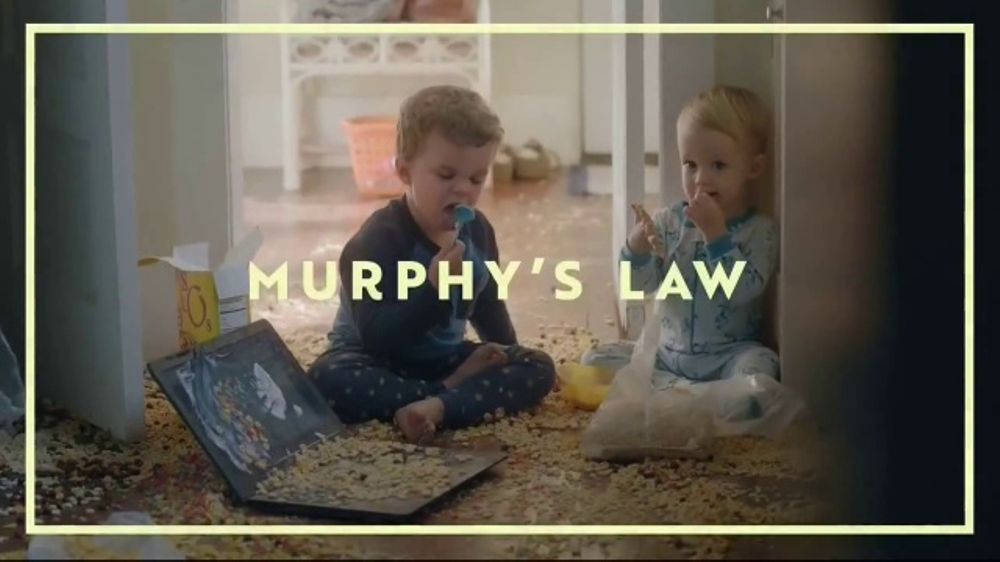
There's a new ad for Papa Murphy's Pizza, which features a play on Murphey's Law, which states that anything that can go wrong, has a chance of happening. The ad opens to two children wreaking havoc onto their home, which then their mother will have to clean up. A female voiceover then states that "when life gives you ingredients for chaos, chaos will happen", which compared to their Papa Murphy's Law, a clever play n of words. They then introduce their version of the law, which advertises fresh ingredient pizza, that can solve chaos and satisfy hunger. This establishes a humorous and clever tone for the ad, if the consumer got the reference, then they would be interested in the brand and perhaps form a funny man persona for Papa Murphy's. There is also dramatic music in the background as the two children wreck the house, however when "Papa Murphy's Law" comes along, the music is stopped, giving a sense of order and peace when the pizza is shown. This is done two times to emphasize the point of chaos contrasting against delicious pizza which is described with good connotative words such as "fresh" and "not from a bag". Last, the ad cuts to a new promotion for a all meat pizza, bribing the consumer with messages such as "now with even MORE meat", "only 9 dollars", and "signature pizza (which comes off as original and classic)". The audience the ad tries to reach, not only by being put on YouTube, the radio, TV, etc. (I've seen this ad around many times) but also featuring young children, are mostly parents. The idea that buying their pizza will make your kids enjoy their food, but also stop breaking things, and saving you money as its only 9 dollars, would be appealing to a parent who doesn't have a lot of time on their hands to feed their kids.
There's a new ad for Papa Murphy's Pizza, which features a play on Murphey's Law, which states that anything that can go wrong, has a chance of happening. The ad opens to two children wreaking havoc onto their home, which then their mother will have to clean up. A female voiceover then states that "when life gives you ingredients for chaos, chaos will happen", which compared to their Papa Murphy's Law, a clever play n of words. They then introduce their version of the law, which advertises fresh ingredient pizza, that can solve chaos and satisfy hunger. This establishes a humorous and clever tone for the ad, if the consumer got the reference, then they would be interested in the brand and perhaps form a funny man persona for Papa Murphy's. There is also dramatic music in the background as the two children wreck the house, however when "Papa Murphy's Law" comes along, the music is stopped, giving a sense of order and peace when the pizza is shown. This is done two times to emphasize the point of chaos contrasting against delicious pizza which is described with good connotative words such as "fresh" and "not from a bag". Last, the ad cuts to a new promotion for a all meat pizza, bribing the consumer with messages such as "now with even MORE meat", "only 9 dollars", and "signature pizza (which comes off as original and classic)". The audience the ad tries to reach, not only by being put on YouTube, the radio, TV, etc. (I've seen this ad around many times) but also featuring young children, are mostly parents. The idea that buying their pizza will make your kids enjoy their food, but also stop breaking things, and saving you money as its only 9 dollars, would be appealing to a parent who doesn't have a lot of time on their hands to feed their kids.
Friday, May 5, 2017
Prince Roger Nelson

My favorite artist is Prince, he played a variety of music such as funk, pop, folk, blues, and rock. I like Prince because his sound is weird and recognizable. His body of work was captivating to me, how someone could play music so distinct able and awesome is the reason why he's the best guitarist to me. Recently I came across Jimi Hendrix, a 60's guitarist who also played blues and rock oriented music. I did not "get" his music at first, only after listening two or three times did I begin to like his music. The vibe I got from him was the same as Prince's, after a bit of research I found that Jimi was one of the major influences for Prince. This made sense as Prince can be seen a artist who incorporated many outside influences into his own work and style, to form a unique sense of music that was his. These influences varied from who you asked, Jimi, James Brown, Stevie Wonder, and Earth, Wind, and Fire were some of the many artists who made Prince's style so addicting and complex. This element is one the two that made Prince one of the best guitarists after Jimi. The second element is the persona that Prince made for himself. Outgoing, flashy, and extra would be good words to describe how Prince played and acted. In short, he was very noticeable. Although Prince took a step down from his character after the height of his career and his religious conversion to a Mormon, his musical influence still reached out all over the world. Prince has influence on music, especially rock, forever. That is why Prince Roger Nelson is my favorite artist of all time.
Thursday, May 4, 2017
TV News and Ads
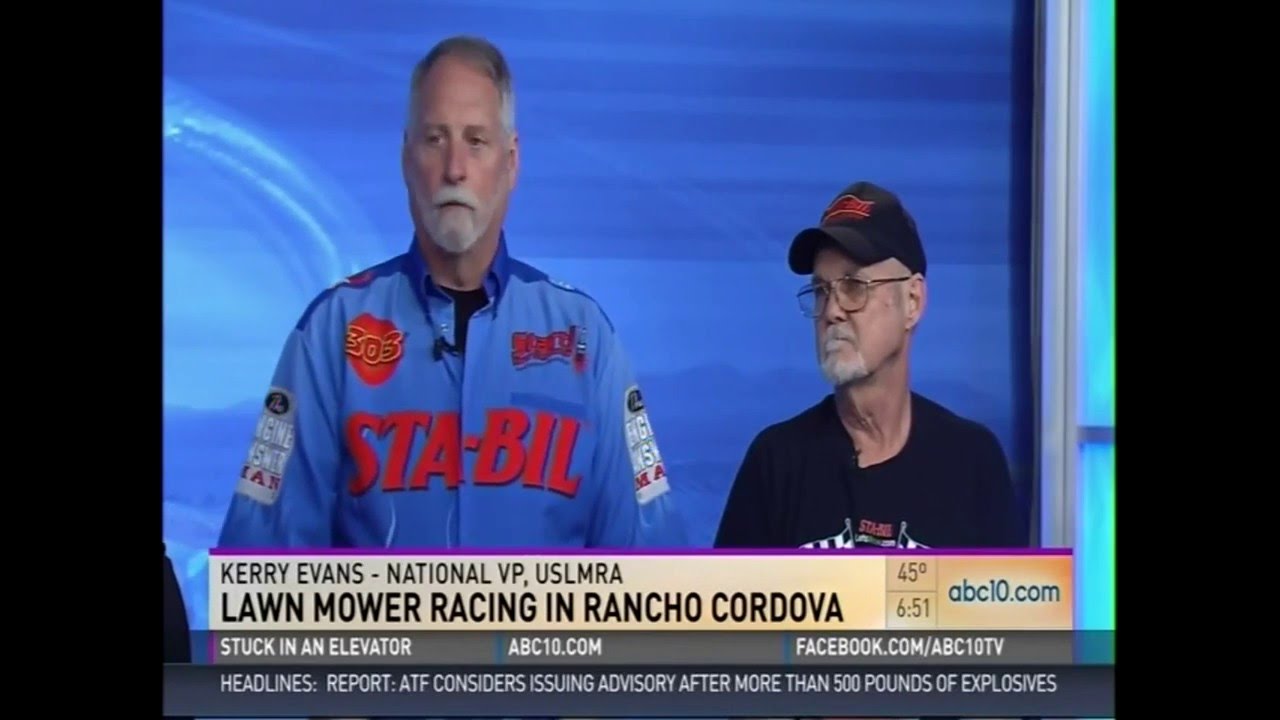
Most days I have the TV with the local news channel on. I've stopped listening to news because it bores me but I've noticed more as I've watched the news, that there seems to be less actual news. There has been more ads that take place between each segment, which usually lasts around 1-2 short stories before cutting to sponsor ads. KCRA, FOX40, ABC10, some of the main channels for Sacramento, are excellent examples of this. I've also seen more that stories that seem more depressing and serious, are dealt with quickly. Happy local stories is what is shown more often, with better coverage as well. I've concluded that these news channels have done these acts because they want a higher number of long time viewers, and of course greater profit. The ads that are shown after about four minutes of news (which sometimes I wonder if can be called news at all) rake in revenue money for the channels. The shots of happy people living their perfect lives are shown to keep viewers interested and make the program enjoyable. Humans tend to not like sad, dark, and depressing news. No one would be glad to know one day that the neighborhood next to them had a killing or that people on the other side of the world are dying because of some outbreak of disease. The more we isolate ourselves from the world outside ours, the more content we are. These news channels know this, and take advantage of some people's ignorance. After all would you rather hear a story about lawnmower racing in the downtown area or hear about the guy who killed his family last week in the street across form yours? Of course not all channels do this, some do try to find a happy medium of good and bad stories, covered based on their importance or at the very least, equally. Not to say that happy stories are bad in any sense, but if there is a story on how Trump eats KFC with a knife and fork above say, something on an outbreak of HIV, I would like to know the HIV story because that actually might affect me. I have also seen that more professional news channels on TV try to be more serious and focus on global events, but local news is local. Sometimes there might be nothing really going on locally, so little filler stories are fine, the real issue is when news channels focus more on money and supporting their own views rather than reporting news.
Saturday, April 29, 2017
Wendy's DoubleStack Burger Promo Ad
https://www.youtube.com/watch?v=P3ftZ0e4VYU
Nearly all the big fast food chains have wacky commercials that grab your attention. Whether it be over the top reactions to the food, catchy music, toys, rewards, special deals that come with the food, or just something notable, fast food ads want your attention and want you to be hungry for their product. I viewed on YouTube, a Wendy's ad for a new deal that they're offering, a great example of fast food advertising. The ad in about 15 seconds empathized points such as
"That's a deal so good it should not exist." "Limited time only, its still here." The ad makes it so that when you watch it, you want to buy it before its gone, instant gratification is also present in almost all fast food ads as well. Its easy and cheap do it now, in this case it was four types of burgers for four dollars. The ad towards the end uses a bit of humor by saying the deal was so good it shouldn't be possible, "just like how owls turn their heads all the way around." This makes a humorous connection with the consumer so that whenever they think of Wendy's, they see a good and funny character persona for it. The last thing I noticed was that the food was obviously digitally enhanced to look better and that there was upbeat happy music in the background, suggesting that the product will make your life that much better. Most fast food ads follow this pattern today of advertising amazing looking food, happy music, sometimes humor, and almost always the limited time offer deal is placed.
Nearly all the big fast food chains have wacky commercials that grab your attention. Whether it be over the top reactions to the food, catchy music, toys, rewards, special deals that come with the food, or just something notable, fast food ads want your attention and want you to be hungry for their product. I viewed on YouTube, a Wendy's ad for a new deal that they're offering, a great example of fast food advertising. The ad in about 15 seconds empathized points such as
"That's a deal so good it should not exist." "Limited time only, its still here." The ad makes it so that when you watch it, you want to buy it before its gone, instant gratification is also present in almost all fast food ads as well. Its easy and cheap do it now, in this case it was four types of burgers for four dollars. The ad towards the end uses a bit of humor by saying the deal was so good it shouldn't be possible, "just like how owls turn their heads all the way around." This makes a humorous connection with the consumer so that whenever they think of Wendy's, they see a good and funny character persona for it. The last thing I noticed was that the food was obviously digitally enhanced to look better and that there was upbeat happy music in the background, suggesting that the product will make your life that much better. Most fast food ads follow this pattern today of advertising amazing looking food, happy music, sometimes humor, and almost always the limited time offer deal is placed.
Week 2 (One Story, Two Sources
This Saturday on the 29th, thousands in Washington march to protest against Trump's use of fossil fuels and his administration's ignorance against global warming. I looked at this story on two different news sites, CNN and Huffington Post. Both news sites cover on this story are similar but there is an obvious bias and more use of emotional appeal in CNN's cover, while the Huffington Post uses more a authoritative and credible tone.
CNN starts with an overview of the situation, telling the audience what the march is about, why, and what protesters want. They also include images from the march as well as comments. CNN also uses numerous times throughout the article that the celebrity Leonardo DiCaprio marched along side other protesters. This use of eathos makes the article more credible as we see famous people supporting the cause. CNN also recalls past protests such as the Women's March, protests against the travel ban, and protests against the Trump Care act. This is done to show the liberal movements and successes, prompting the audience to conclude that all the liberal acts will succeed and are just causes.
The Huffington Post offers a detailed overview of the situation similar to CNN's. Both news sites use tweets from protesters, images, and commentary to support their argument. While subtle, Huffington Post does seem against Trump's cause, quoting others support for the betterment of the Earth through stopping global warming and also using Trump's tweet about fake media (which would include Huffington Post) to make it so that Trump's words contrast against the positive commentary offered. Huffington Post's article has a more logical tone instead of appealing to emotions like CNN did.
In conclusion both news sites are most likely against Trump and covered the story similarly, the main difference being CNN wanted its audience to feel more against Trump while Huffington Post does a better job of just reporting news as well as offering logical ideas towards climate change and why its bad for everyone.
http://www.cnn.com/2017/04/29/us/climate-change-march/index.html
http://www.huffingtonpost.com/entry/climate-march-2017_us_590371e1e4b0bb2d086e12ff
CNN starts with an overview of the situation, telling the audience what the march is about, why, and what protesters want. They also include images from the march as well as comments. CNN also uses numerous times throughout the article that the celebrity Leonardo DiCaprio marched along side other protesters. This use of eathos makes the article more credible as we see famous people supporting the cause. CNN also recalls past protests such as the Women's March, protests against the travel ban, and protests against the Trump Care act. This is done to show the liberal movements and successes, prompting the audience to conclude that all the liberal acts will succeed and are just causes.
The Huffington Post offers a detailed overview of the situation similar to CNN's. Both news sites use tweets from protesters, images, and commentary to support their argument. While subtle, Huffington Post does seem against Trump's cause, quoting others support for the betterment of the Earth through stopping global warming and also using Trump's tweet about fake media (which would include Huffington Post) to make it so that Trump's words contrast against the positive commentary offered. Huffington Post's article has a more logical tone instead of appealing to emotions like CNN did.
In conclusion both news sites are most likely against Trump and covered the story similarly, the main difference being CNN wanted its audience to feel more against Trump while Huffington Post does a better job of just reporting news as well as offering logical ideas towards climate change and why its bad for everyone.
http://www.cnn.com/2017/04/29/us/climate-change-march/index.html
http://www.huffingtonpost.com/entry/climate-march-2017_us_590371e1e4b0bb2d086e12ff
Friday, April 21, 2017
Current Relationship With Media (Week 1)
Media surrounds us on a daily basis, through the TV, internet, and in print. The messages that the mass media sends to either buy products or support a certain cause can go influence us without us even noticing. The main form of media that I experience is in advertisements. I find them very annoying and try to avoid them if I can, but the reality is that they’re everywhere. While I might not really need a certain product, I still feel inclined to buying it after seeing it so many times.
TV especially has many well thought out and deliberate ads. Ads for medication talk about the side effects, which most of the time are worse than the actual disease, fast enough so no one pays attention but rather focuses on the sunny video with upbeat music. Cars ads glorify their product to an extent where you might think buying one will grant you eternal happiness. Fast food ads look great on screen then when you go buy the food it looks nothing similar to what you saw in the ad and was hoping for.
Eventually media worked itself into my life where I don’t notice it anymore and accept it. YouTube and music especially control a large portion of my free time, entertainment now can be found online or with electronic devices. I would say that my current relationship with mass media is that while I try to not be controlled by it, I still am affected and at least try to deal with it instead of being bothered by it. Media can be entertaining and exposing people to new ideas, however some people can be heavily influenced by media and their perceptions and views can change.

Subscribe to:
Posts (Atom)